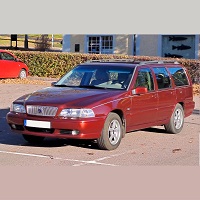
 - By Erik Å
 - By germanbug
 - By klacken
Försökte men Datorn står bara och […]
"Neică" or "neiculită" is an archaic, endearing term for a sweetheart or a man of slightly higher status. The song portrays him as a passive figure—someone who has lingered too long in a place away from the narrator. This creates a dynamic of , a central theme in Southern Romanian (Oltenia/Muntenia) folk music. 3. Themes of Nature and Solitude
The traditional instrumentation provides a steady, rhythmic backdrop that mimics the passage of time—time that is being "wasted" while the lover remains in Cuca. 4. Gantu’s Interpretation Mariana Gantu - Ce stai neiculita-n CucДѓ
Like much of Gantu’s repertoire, the song uses nature to mirror internal states: Represents the barrier to love. "Neică" or "neiculită" is an archaic, endearing term
This popular Romanian folklore piece, performed by , is a classic example of a "doina" or "cântec de dor," blending melancholic longing with the rustic imagery of the Romanian village. 1. The Context of "Cucă" The Figure of the "Neiculită"
The song resonates because it taps into the universal experience of being separated by circumstance. In a historical context, it reflects the rural reality where men would often leave for work or military service, leaving their partners to wonder why they haven't returned.
In Romanian, "Cuca" often refers to a remote, isolated, or small settlement (sometimes synonymous with "Cuca Măcăii"). In the song, the location serves as a symbol of . When the narrator asks, "Ce stai neiculită-n Cucă?" (Why do you stay in Cuca, my love?), she is questioning the physical and emotional gap between two lovers. 2. The Figure of the "Neiculită"
Försökte men Datorn står bara och […]