




















[Renderverse Collection – BIG ALBUM 2026]
.

CODE DISCOUNT: 3DMILI20
Beyond the immediate security threats, utilizing loaders like Extreme Edition 3.010 presented significant legal and ethical issues. Using software without a valid license directly violates Microsoft’s terms of service and intellectual property laws in most jurisdictions. Furthermore, relying on manipulated system files meant that users were cut off from the standard ecosystem of support. Future Windows security updates frequently patched the exploits used by these loaders, leading to sudden activation failures, watermarks on the desktop, or the dreaded "Blue Screen of Death" that rendered the computer unusable.
Ultimately, Windows 7 Loader Extreme Edition 3.010 stands as a relic of a specific era in personal computing. It showcases the lengths to which users would go to avoid software costs, as well as the ingenuity of independent programmers. Today, with Windows 7 long past its end-of-life date and modern operating systems offering much more accessible pathways to legitimate activation, the era of the BIOS-injecting loader has largely passed. It remains a stark reminder that in the digital world, "free" software often comes with hidden, dangerous costs.
However, the proliferation of these tools highlighted a dark side of the internet: the extreme vulnerability of downloading third-party executable files from unverified sources. Because Microsoft actively fought against piracy, official distribution channels for these loaders never existed. Users had to rely on file-sharing forums, torrents, and sketchy websites to find the program. Cybercriminals quickly realized they could capitalize on this demand. They frequently bundled these activation tools with severe malware, including trojans, keyloggers, and cryptojackers. Users seeking a free operating system often ended up paying a much higher price in the form of stolen personal data or compromised hardware.
Windows 7 Loader Extreme Edition 3.010 was once one of the most famous unauthorized activation tools for the Windows 7 operating system. Created to bypass Microsoft’s standard digital rights management and product activation technologies, this software became a staple in the world of software piracy. While it represented a clever feat of reverse engineering and software manipulation, the use of such loaders carries massive risks regarding digital security, legality, and system stability.
Technically speaking, Windows 7 Loader Extreme Edition operated by interacting directly with the system's BIOS or master boot record. Standard Windows activation requires a valid product key that matches Microsoft’s database. To bypass this, loaders would inject a SLIC (Software Licensing Description Table) code into the computer's memory before the operating system booted. This convinced the operating system that it was running on a legitimate computer from a major manufacturer like Dell or HP, which came with pre-activated, royalty-free versions of Windows. Version 3.010 was particularly popular because it automated this complex process for both 32-bit and 64-bit systems with a single click.
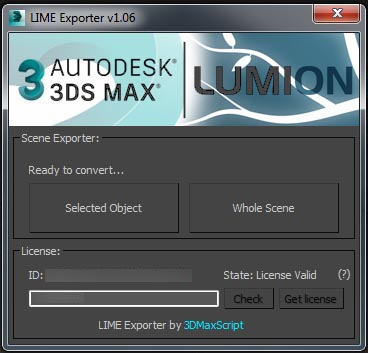
Lime Exporter is a tool who allow you to export all textures and scene ready to work to LUMION.
This tool allow to convert Vray or Corona and Fstorm to Lumion.
It’s not a simplicity Exporter, it’s keep all the compatible settings… Descargar windows 7 loader extreme edition 3.010 64 bits
Export all the scene or only selected Object… See how many instance it’s necessary to convert…
Real time informations for the convertion state.
Keep your plugin up to date with the internal update fonction.
Drag and Drop LMInstaller.mse to your 3dsmax viewport and let’s the plugin install. Today, with Windows 7 long past its end-of-life
Uninstaller is include to remove all (Lime Exporter) files.
Connection internet is needed (Need Internet connection to initiate your Key license).
License are by month/year and unique by Computers/Users. which came with pre-activated
Compatible with 3dsmax 2014 up to 2021.
Compatible with Lumion up to 10.
enjoy !

Beyond the immediate security threats, utilizing loaders like Extreme Edition 3.010 presented significant legal and ethical issues. Using software without a valid license directly violates Microsoft’s terms of service and intellectual property laws in most jurisdictions. Furthermore, relying on manipulated system files meant that users were cut off from the standard ecosystem of support. Future Windows security updates frequently patched the exploits used by these loaders, leading to sudden activation failures, watermarks on the desktop, or the dreaded "Blue Screen of Death" that rendered the computer unusable.
Ultimately, Windows 7 Loader Extreme Edition 3.010 stands as a relic of a specific era in personal computing. It showcases the lengths to which users would go to avoid software costs, as well as the ingenuity of independent programmers. Today, with Windows 7 long past its end-of-life date and modern operating systems offering much more accessible pathways to legitimate activation, the era of the BIOS-injecting loader has largely passed. It remains a stark reminder that in the digital world, "free" software often comes with hidden, dangerous costs.
However, the proliferation of these tools highlighted a dark side of the internet: the extreme vulnerability of downloading third-party executable files from unverified sources. Because Microsoft actively fought against piracy, official distribution channels for these loaders never existed. Users had to rely on file-sharing forums, torrents, and sketchy websites to find the program. Cybercriminals quickly realized they could capitalize on this demand. They frequently bundled these activation tools with severe malware, including trojans, keyloggers, and cryptojackers. Users seeking a free operating system often ended up paying a much higher price in the form of stolen personal data or compromised hardware.
Windows 7 Loader Extreme Edition 3.010 was once one of the most famous unauthorized activation tools for the Windows 7 operating system. Created to bypass Microsoft’s standard digital rights management and product activation technologies, this software became a staple in the world of software piracy. While it represented a clever feat of reverse engineering and software manipulation, the use of such loaders carries massive risks regarding digital security, legality, and system stability.
Technically speaking, Windows 7 Loader Extreme Edition operated by interacting directly with the system's BIOS or master boot record. Standard Windows activation requires a valid product key that matches Microsoft’s database. To bypass this, loaders would inject a SLIC (Software Licensing Description Table) code into the computer's memory before the operating system booted. This convinced the operating system that it was running on a legitimate computer from a major manufacturer like Dell or HP, which came with pre-activated, royalty-free versions of Windows. Version 3.010 was particularly popular because it automated this complex process for both 32-bit and 64-bit systems with a single click.


