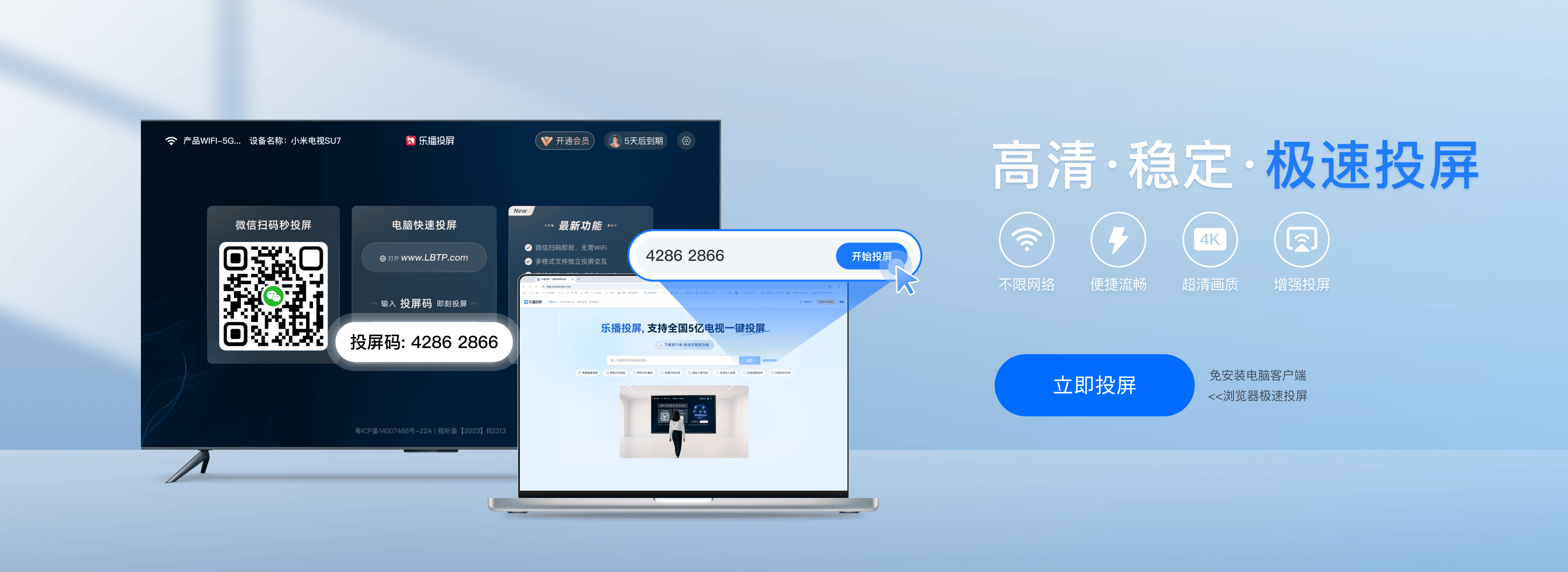
投屏发送端免费下载
投屏接收端免费下载
乐播投屏让8000+音视频APP具备投屏能力
以下APP均可一键投屏

乐播投屏已覆盖市面上95%的电视/投影/盒子品牌,完美兼容2.8亿大屏
以下品牌均可完美运行乐播投屏

Unlike CRISPR-Cas9, which creates double-strand breaks and relies on error-prone cellular repair, Brec1 performs a concerted "cut and paste" action that is inherently error-free.
In October 2022, PROVIREX announced a major expansion in Hamburg’s . If ART is stopped, this latent reservoir reactivates,
While modern ART allows people living with HIV (PLWH) to lead near-normal lives, it cannot eliminate the "provirus"—the viral DNA that integrates into the host's own genome. If ART is stopped, this latent reservoir reactivates, leading to viral rebound. A permanent cure requires the physical removal or permanent silencing of this integrated DNA. Joachim Hauber
The core of Hamburg’s research is , developed through directed molecular evolution by teams led by Prof. Joachim Hauber. " the underlying Brec1 technology
Research published in Nature Biotechnology demonstrated that Brec1 can target and excise over 90% of clinical HIV-1 isolates found globally.
Preclinical data showed the enzyme has no measurable cytotoxic or genotoxic side effects, making it a viable candidate for human testing. 3. 2022 Milestones: The Hamburg Therapy Hub
In 2022, Hamburg emerged as a primary hub for curative HIV research following significant investment in , a biotech startup utilizing "designer recombinase" technology. Unlike traditional antiretroviral therapy (ART) which only suppresses viral replication, the Brec1 recombinase acts as a molecular scalpel to precisely excise integrated HIV-1 DNA from the host genome. This paper details the 2022 expansion of Hamburg’s "Therapy Hub," the underlying Brec1 technology, and the transition toward Phase Ib/IIa clinical trials. 1. The Challenge: Beyond Viral Suppression